Over the summer, a cohort of Grade 10 students from DSI travelled to Southeast Sulawesi, Indonesia, for the school’s Research Experiential Programme (REP), a two-week biodiversity expedition delivered in partnership with Operation Wallacea.
From 12 to 29 June, eighteen students worked across two contrasting ecosystems: the lowland rainforest of the North Buton Camp and the coral reefs of Hoga Island within the Wakatobi Marine National Park. The programme followed the IGCSE examination period and formed part of DSI’s wider commitment to learning beyond the classroom.
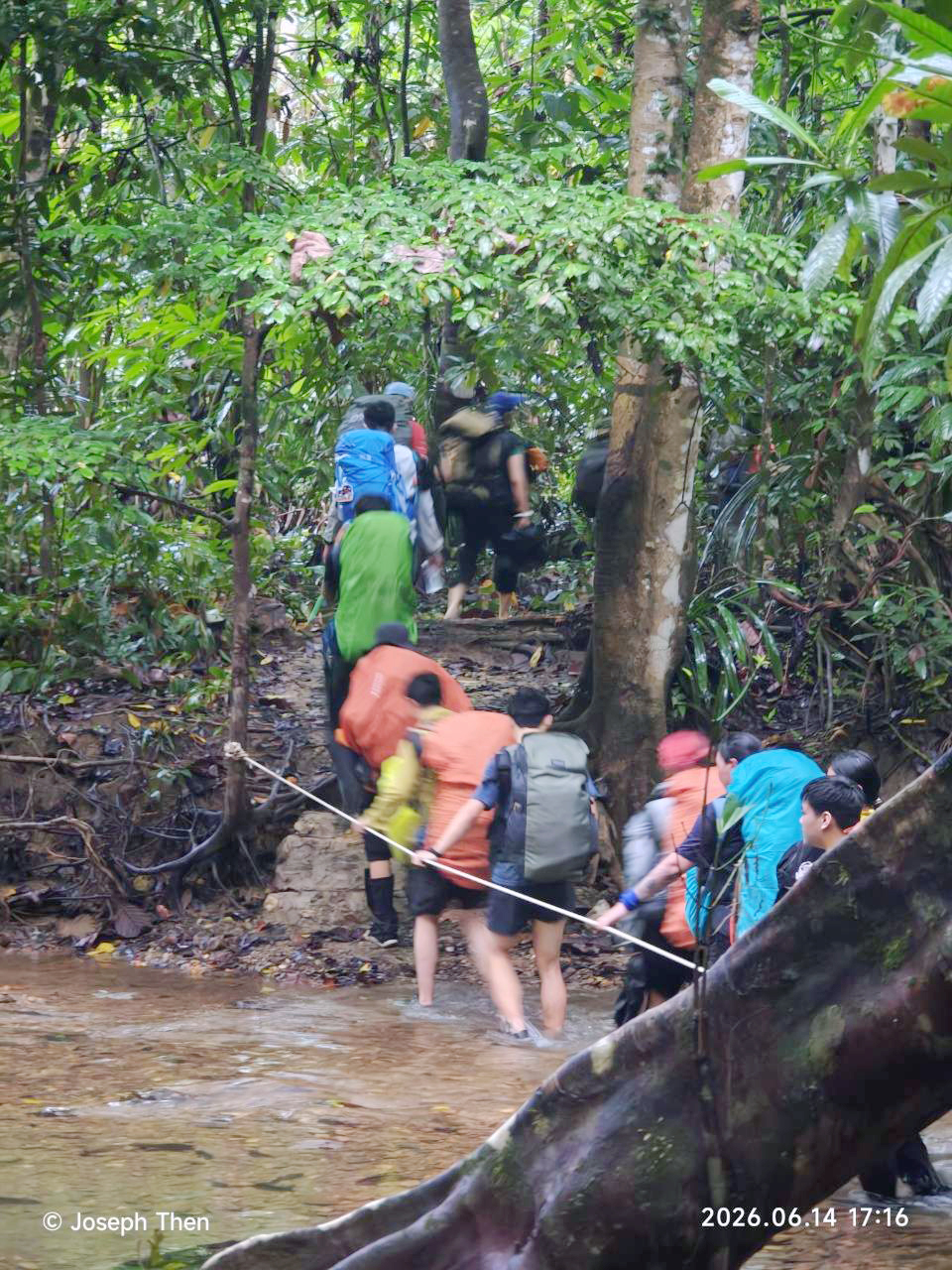
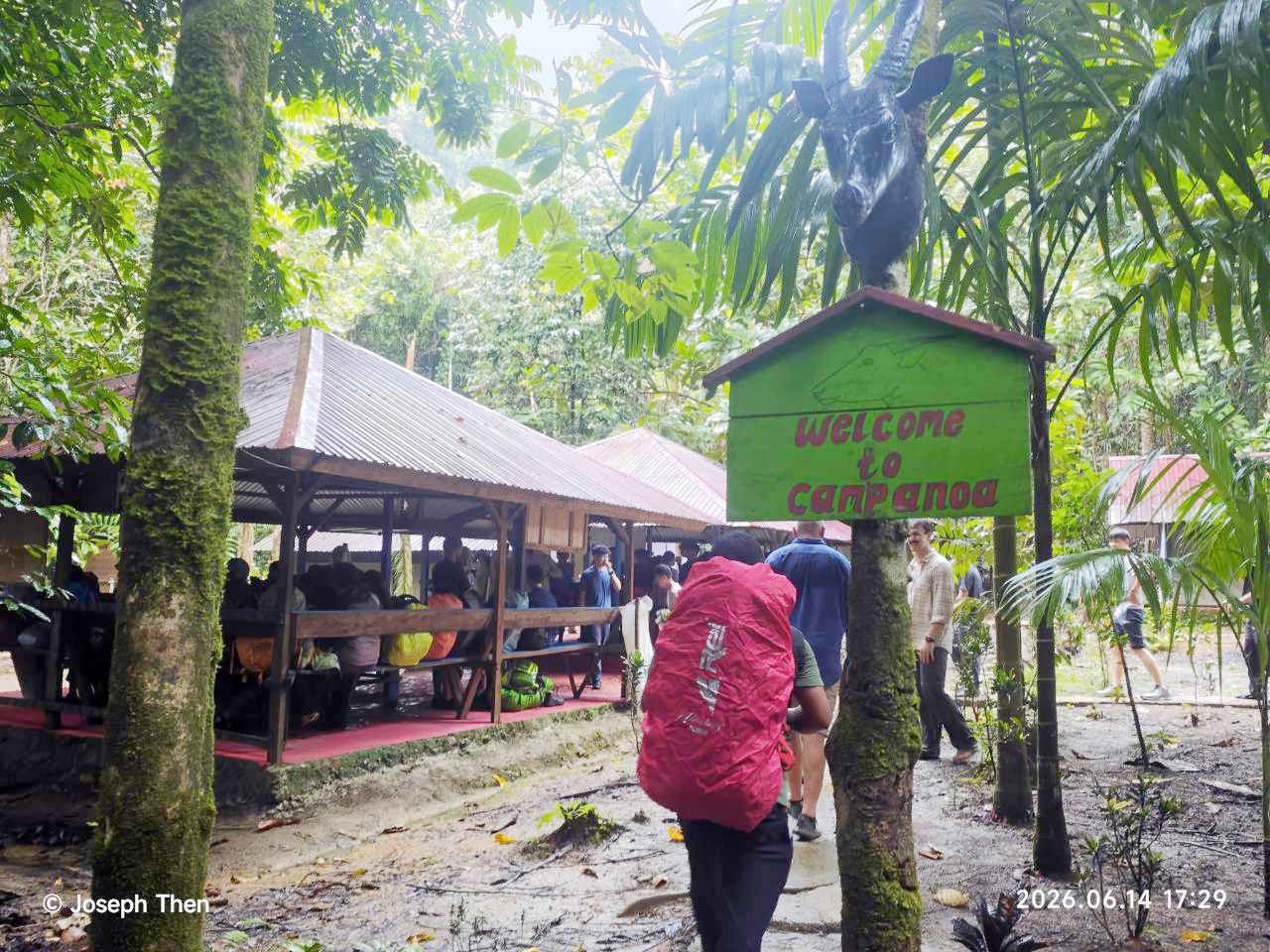
At North Buton, students rose before dawn for bird surveys, conducted butterfly and bat transects, practised habitat mapping, and learnt to record data on reptiles, amphibians and mammals under the guidance of resident scientists. Conditions were deliberately austere: no mobile signal, river bathing, and simple forest lodging. Staff noted that the initial transition from campus life to field life was stark, but that students adapted quickly, shifting from passive participation to genuine scientific observation.
The second phase on Hoga Island introduced students to marine field methods. Most students completed PADI Open Water training for the first time, learning neutral buoyancy, ear equalisation and underwater survey techniques. Alongside dive scientists, they assessed coral cover, identified reef fish and invertebrates, and contributed to long-term monitoring datasets used by Operation Wallacea’s research team.
Teachers accompanying the trip described the expedition as a quiet rite of passage. “The forest taught them endurance; the ocean asked them to master themselves,” said Mr Joseph Then, a faculty lead on the programme. Ms Samantha Tse added that the most marked change was not athletic but social — students began to place the group above the individual, rationing water, sharing loads, and resolving disagreement through discussion rather than complaint.
Several students reflected on the personal threshold the trip crossed. One students, Patrick, who struggled with water anxiety in the first days, completed all dive tasks and earned his certification; another, Surina, carried a 20-kilogram pack on jungle transects despite her slight frame and later received praise from dive instructors. Many spoke of sore legs, insect bites, lost sleep and the unusual experience of finishing a day without a screen.
The REP model is now a fixture of the DSI calendar. Rather than a tour, it is structured as contribution: the data students gather feeds into active conservation research in one of the most biologically rich regions on earth, the Wallacea zone, where Australasian and Asian flora and fauna meet.
“True learning does not only happen inside a classroom,” the school noted in its programme rationale. “When students are placed in unpredictable weather, unfamiliar species and unmapped problems, they must draw on knowledge, character and each other.”
The students returned to Shunde on 29 June, thinner, browner, and — by their own accounts — older than when they left.